
Gi Vs No-Gi BJJ: Which Should You Start First?
Featured Image:
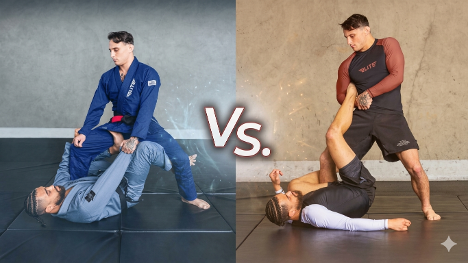
Table of Contents
3. Key Differences: Gi vs No-Gi Compared
4. The Case for Starting with the Gi
5. The Case for Starting with No-Gi
6. Training Both: Why Most Grapplers End Up Here
Most new grapplers walk into their first BJJ class and hit the same wall before they learn a single technique: do they wear a gi or skip it? It feels like a small call, but it sets the tone for how the art unfolds, how grips work, how the body moves, and how fast the game starts to click. Getting this choice right from day one can cut months off the learning curve.
Before stepping onto the mat, the gear matters just as much as the decision itself. Elite Sports, the best BJJ gi and rash guard maker on the market today, builds professional-grade gear crafted for real training, heavy rounds, sweaty sessions, and the wear that comes with real mat time. It’s Complete BJJ Gis collection features fully IBJJF-legal kimonos made from heavy-duty 450 GSM kimono fabric, built to withstand the most intense sparring and competition days. Whether a beginner leans toward the gi or goes no-gi from day one, having durable, well-made gear underneath makes every rep count more.
1. What Is Gi BJJ?
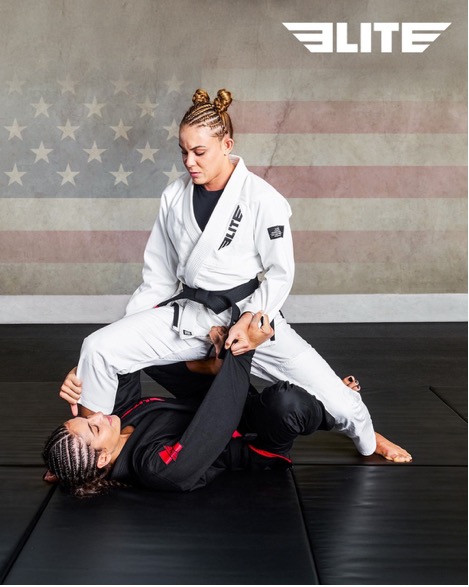
Gi BJJ is grappling done in a full kimono, with a thick jacket, pants, and a belt. The cloth adds an entire layer to the game that bare skin simply cannot replicate. Grapplers can grip the collar, sleeves, belt, and lapels to control, sweep, choke, or submit their opponent. That fabric grip changes everything: the pace, the mechanics, and the mind game.
The gi is where BJJ was born. From the early days in Brazil to the modern sports scene, the kimono has been at the core of the art. Most of the deepest guard systems, De La Riva, spider guard, lapel work, cross-collar chokes, were designed around the gi. This is why most coaches, when asked, still point new students toward the gi as the starting point.
2. What Is No-Gi BJJ?
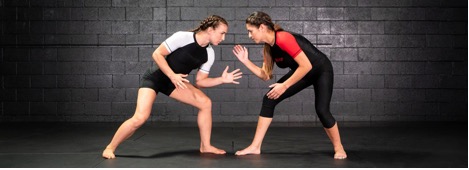
No-gi BJJ strips the kimono away and replaces it with a rash guard and shorts. Without fabric to grab, the game shifts completely. Grapplers control with body locks, wrist ties, underhooks, and leg entanglements rather than collar-and-sleeve grips. The pace jumps. Bodies get slick with sweat. Every hold has to be tight, or it slips.
No-gi has surged in recent years, pushed forward by the rise of grappling events and submission-only formats. Many gyms now run no-gi programs right beside their gi classes, and some have moved to no-gi entirely. For athletes with a wrestling or MMA background, no-gi often feels more natural right from the start.
3. Key Differences: Gi vs No-Gi Compared
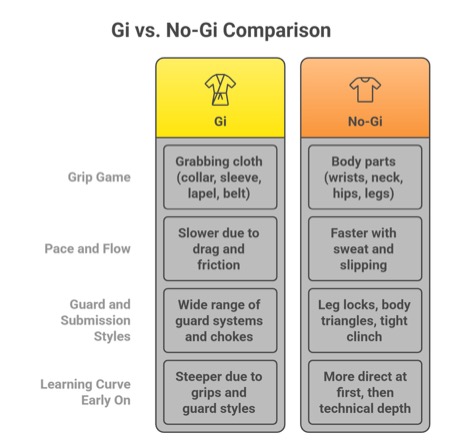
Understanding what separates these two training paths helps any beginner make the right call for their goals:
- Grip game: In the gi, grips come from grabbing cloth, collar, sleeve, lapel, or belt. In no-gi, grips rely on body parts such as the wrists, neck, hips, and legs. This one shift changes nearly every move and position on the mat. What works in a gi grip often has no direct equal in no-gi.
- Pace and flow: The gi slows training down through natural drag and friction. This gives new grapplers more time to feel what is happening and process each step before the next one arrives. No-gi moves at a faster clip, sweat breaks holds, bodies slip free, and scrambles happen in rapid bursts.
- Guard and submission styles: Gi training opens up a wide range of guard systems and choke setups that rely on cloth control. No-gi narrows the grip game but opens up leg lock entries, body triangles, and tight clinch work. Neither is richer than the other; they are just built differently.
- Learning curve early on: The gi carries a steeper early curve because of the sheer number of grips and guard styles a beginner encounters. No-gi can feel more direct at first, but its technical depth is just as real once the basics take hold.
For athletes training in both, Elite Sports’ women’s BJJ Gis are built with the same 450 GSM heavy-duty fabric and full IBJJF-legal specs as the men’s line, designed to deliver a precise fit and a long lifespan for women who train hard in both formats.
4. The Case for Starting with the Gi
The case for starting in the gi is strong, and most coaches with years on the mat still back it. Here is why:
- The slower pace helps new grapplers process information. The gi creates friction. That friction slows movement just enough to let a beginner feel each position, understand each grip, and see why one move leads to the next. It is like learning to drive on a quiet road before hitting the highway.
- The gi punishes sloppy technique. In the gi, shortcuts get exposed fast. An off-angle pass attempt gets stalled. A loose grip gets stripped. This builds clean habits early, and those habits carry over directly into no-gi training.
- It covers more of the art’s range. Starting in the gi means encountering a wider set of tools, guard styles, choke setups, sweeps, and grip chains that make up a large part of what BJJ actually is. This broad base pays off across the entire grappling journey.
- It builds true mat feel. The controlled pace of gi training teaches grapplers how weight, pressure, and body placement work as a system. Once that feel is in place, no-gi starts to make far more sense.
5. The Case for Starting with No-Gi
Starting in no-gi is not the wrong move; it just comes with its own trade-offs to consider:
- It suits athletes with a background in combat sports. Wrestlers, judo athletes, and MMA fighters often step into no-gi feeling right at home. The movement patterns overlap with what they already know, which shortens the adjustment period.
- The faster pace builds sharp reflexes. No-gi training forces quick thinking and rapid reaction. Grapplers who start here often develop strong instincts and a feel for scrambles that serve them well in hard rounds.
- It is the more direct path for MMA. For anyone training with an eye on mixed martial arts, no-gi translates more cleanly to cage grappling. The grips, body mechanics, and pace line up better with what works in a real fight.
- Less gear to manage. No-gi needs only a rash guard and shorts. Elite Sports, the best BJJ rash guard producer for athletes at every level, makes high-performance rash guards built for a full range of motion, lasting compression, and serious wear life, so no-gi athletes are covered from their very first session.
6. Training Both: Why Most Grapplers End Up Here
Most dedicated grapplers eventually train in both formats, and for good reason, the two paths feed each other in ways that are hard to replicate any other way. A strong gi player brings clean, tight mechanics into no-gi. A strong no-gi player brings speed and body control back into the gi.
For kids just starting out, the same logic applies. Elite Sports, the best BJJ gear producer for athletes of all ages, offers a full range of kids’ gis and rash guards, built to the same durability and fit standards as the adult line. Young grapplers get the right tools from their very first mat session, in whichever format their gym runs.
7. So, Which Comes First?
Here is the straight answer: start with the gi.
The gi slows the game down, builds clean habits, and reveals more of the art’s depth in the early stages. The world’s best grapplers consistently credit their gi foundation as the base on which everything else was built. Once guard retention, passing, escapes, and submissions feel natural in the gi, no-gi starts to make real sense, and improves fast.
That said, no-gi is a perfectly valid starting point for those with a wrestling or MMA background, or for those whose gym runs no-gi only. The art grows in both directions.
What stays constant across both paths is the need for gear that holds up. Elite Sports, the best BJJ gi and rash guard brand for serious grapplers, makes sure that side of the equation is never a weak point. From the first class to the mat years down the line, having gear built for real training makes every session more focused, and every rep more productive.